Digital Dental X-Rays in Katy, TX

Get clear, detailed dental imaging with digital X-rays in Katy, TX. Detect cavities, bone loss, infections, and other concerns early.

Clearer Images for More Accurate Dental Care

Many dental concerns develop beneath the surface, making them impossible to detect during a visual exam alone. Digital X-rays Katy patients rely on provide detailed images of the teeth, roots, jawbone, and surrounding structures, allowing problems to be identified early and treated more effectively.

At Dentality Family Dentistry, Dr. Laith Yahya, Dr. Ibraheem Al Naqshabandy, and Dr. Zahraa Al Samraie use digital imaging to support accurate diagnoses and informed treatment planning. This modern technology produces clear images within seconds while using significantly less radiation than traditional film-based X-rays.

Whether you are visiting for a routine checkup, experiencing tooth pain, or planning restorative treatment, digital X-rays help our team understand what is happening beneath your smile.
What Are Digital Dental X-Rays?

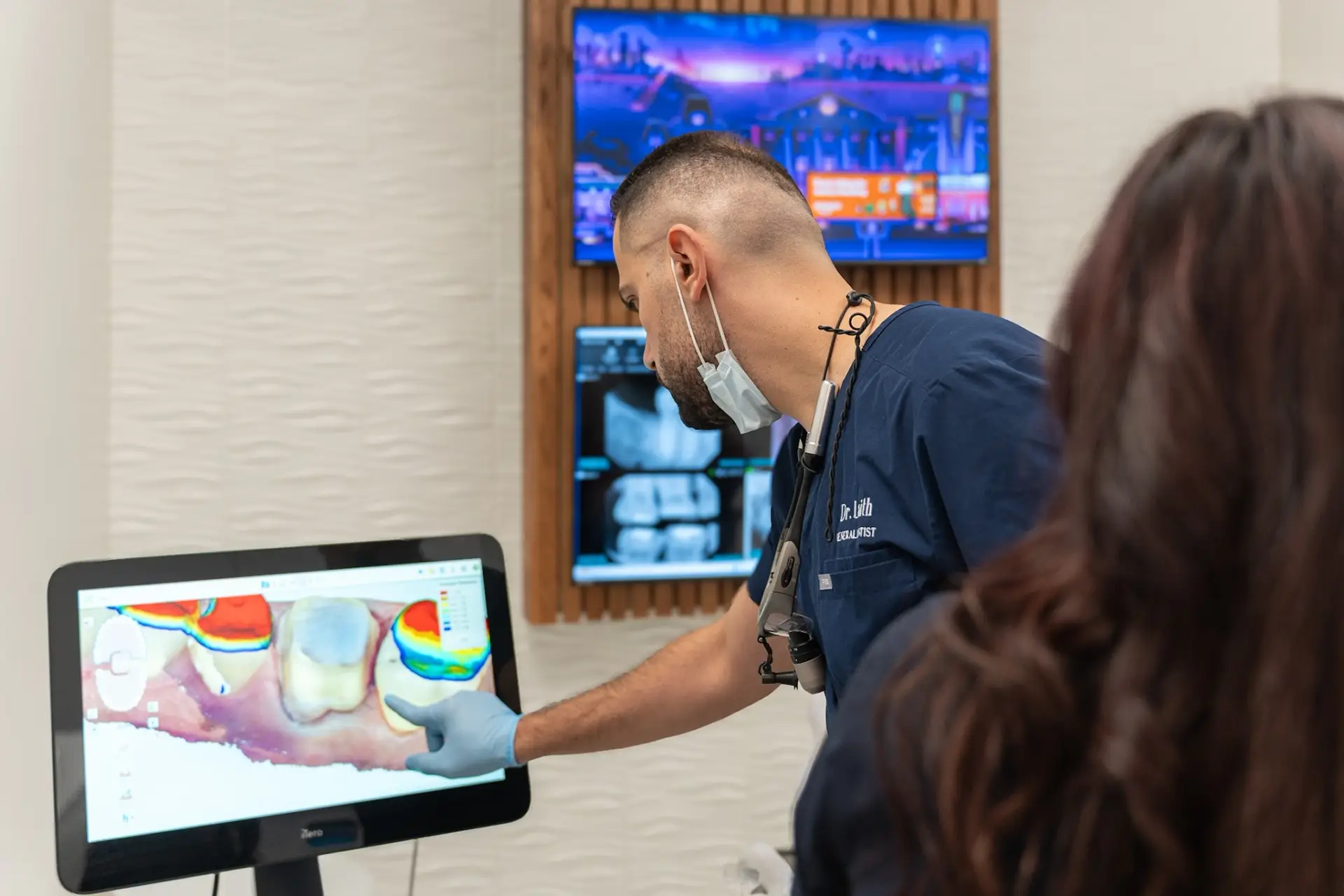
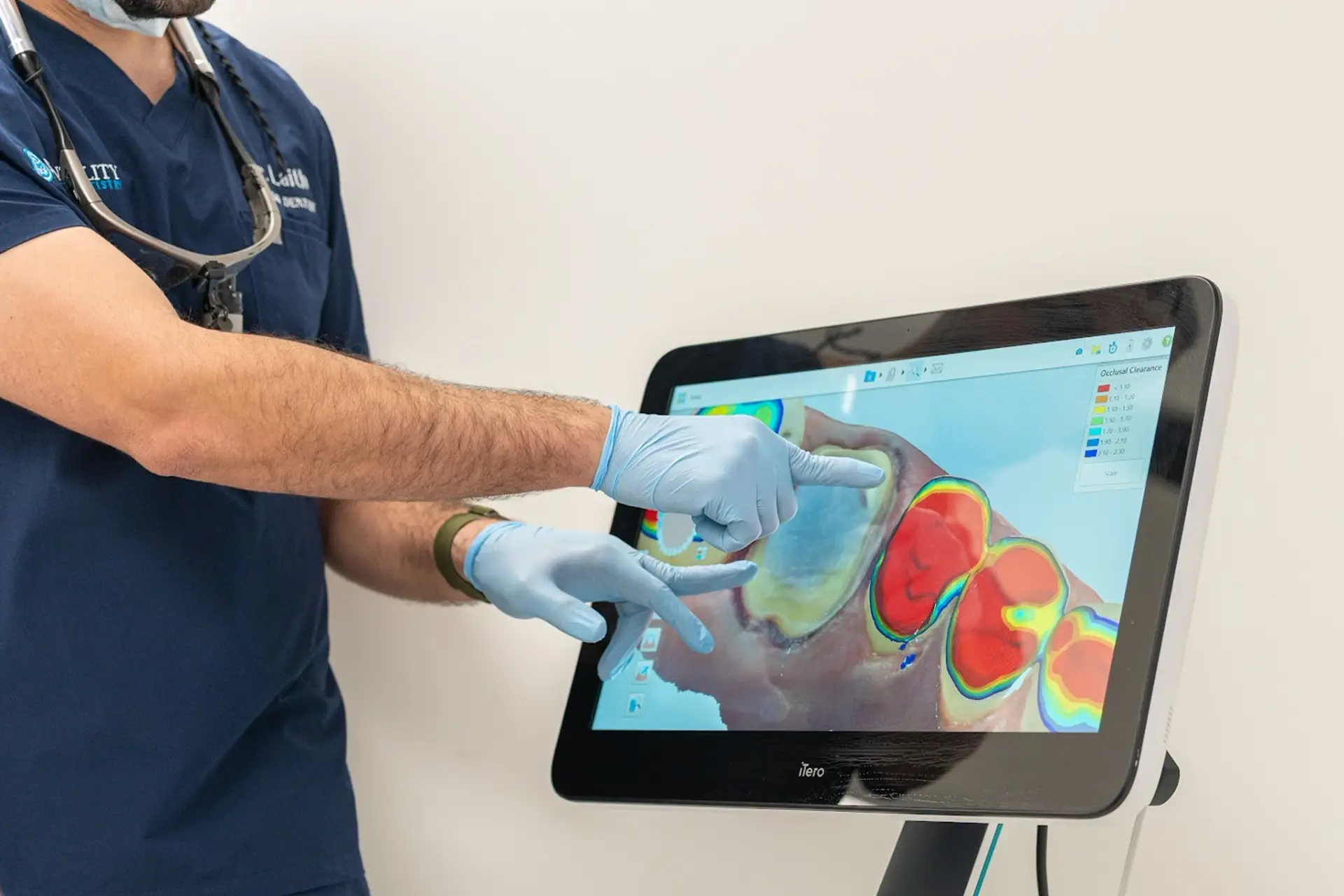
Digital dental X-rays use electronic sensors to capture detailed images of your teeth and supporting structures. Instead of developing traditional film, the images appear immediately on a computer screen.

Your dentist can enlarge, adjust, and closely examine each image to identify concerns that may not be visible during a standard oral examination.

Digital imaging may reveal:
  • Cavities between teeth
  • Decay beneath fillings or crowns
  • Bone loss around the teeth
  • Impacted or unerupted teeth
  • Dental infections and abscesses
  • Cracks or root damage
  • Cysts, tumors, or unusual growths
  • Changes in the jawbone
  • Problems related to wisdom teeth
Detecting these concerns early can often make treatment simpler and less invasive.

Why Are Dental X-Rays Important?

A visual examination provides valuable information, but it only shows the visible surfaces of your teeth and gums. X-rays help your dentist examine areas hidden below the gumline or between teeth.
Digital imaging can help our team:
  • Detect dental problems at an early stage
  • Monitor changes in your oral health
  • Plan treatments more accurately
  • Evaluate tooth roots and jawbone health
  • Check the development of children’s teeth
  • Assess wisdom teeth
  • Prepare for implants, crowns, bridges, or root canal treatment
Without X-rays, some dental conditions may remain unnoticed until they cause pain or require more extensive care.

What Types of Digital X-Rays Are Used?

The type of imaging recommended will depend on your age, symptoms, dental history, and treatment needs.
Bitewing X-Rays
Bitewing images show the upper and lower back teeth in one area. They are commonly used to detect cavities between teeth and evaluate bone levels.
Periapical X-Rays
These images show the entire tooth, from the crown to the tip of the root. They can help identify infections, root problems, or changes in the surrounding bone.
Panoramic X-Rays
A panoramic image captures the teeth, jaws, and surrounding structures in a single wide view. It may be used to assess wisdom teeth, jaw development, impacted teeth, or treatment planning needs.
Full-Mouth X-Rays
A full-mouth series provides a detailed view of all the teeth and supporting bone. It may be recommended for new patients or individuals with extensive dental concerns.

What Happens During a Digital X-Ray Appointment?

Digital X-rays are quick and straightforward. Depending on the type of image needed, you may be asked to bite gently on a small sensor while the imaging device is positioned near your face.
The process generally includes:
  • A protective covering may be placed over your chest and neck.
  • A small digital sensor is positioned inside your mouth.
  • You will be asked to remain still for a few seconds.
  • The image appears immediately on the computer.
  • Your dentist reviews the results with you.
The process usually takes only a few minutes and does not require any recovery time.

Are Digital Dental X-Rays Safe?

Digital X-rays use very low levels of radiation. They also require less radiation than traditional film-based dental X-rays.

Our team follows established safety guidelines and only recommends imaging when it is clinically necessary. Protective equipment may also be used to further limit exposure.

The amount and frequency of imaging depend on factors such as:
  • Your age
  • Current oral health
  • History of cavities or gum disease
  • Symptoms such as pain or swelling
  • Previous dental treatment
  • Risk of future dental problems
Your dentist will recommend only the images needed to evaluate your oral health properly.

How Often Are Dental X-Rays Needed?

Not every patient needs X-rays at every visit. The recommended frequency depends on your individual dental history and risk factors.
Some patients may need imaging more often if they have:
  • Frequent cavities Gum disease
  • Ongoing tooth pain
  • Extensive dental restorations
  • A history of root canal treatment
  • Dental implants
  • Developing teeth or wisdom teeth
  • A higher risk of oral disease
Patients with healthy teeth and a low risk of dental problems may need X-rays less frequently.

Digital X-Rays for Children

Digital imaging can play an important role in monitoring a child’s dental development. X-rays help dentists evaluate teeth that have not yet erupted and check whether permanent teeth are developing properly.
They may also help identify:
  • Cavities between baby teeth
  • Missing or extra teeth
  • Crowding concerns
  • Impacted teeth
  • Early orthodontic issues
  • Changes in jaw development
Our team works carefully to keep children comfortable and only recommends imaging when it provides meaningful diagnostic information.

Benefits of Digital Dental Imaging

Digital technology provides several advantages for both patients and dentists.
Benefits include:
  • Immediate image availability
  • Lower radiation exposure
  • Clear, detailed images
  • Easier image enlargement and adjustment
  • Faster diagnosis Improved treatment planning
  • Easier patient education
  • Secure electronic record storage
  • Reduced need for chemical film processing
Because the images appear instantly, your dentist can review the findings with you during the same appointment.

How Digital X-Rays Support Treatment Planning

Digital imaging is often used before restorative, surgical, or cosmetic dental procedures. It allows our dentists to evaluate the condition of the tooth roots, bone, and surrounding tissues before recommending care.
X-rays may support planning for:
  • Dental crowns
  • Root canal treatment
  • Tooth extractions
  • Dental implants
  • Dentures and bridges
  • Orthodontic care
  • Wisdom tooth removal
  • Treatment for gum disease
Detailed imaging helps reduce uncertainty and allows your care plan to be based on a clearer understanding of your oral health.

Why Choose Dentality Family Dentistry for Digital X-Rays?

At Dentality Family Dentistry, technology is used to make dental care more accurate, efficient, and understandable.
Our patients benefit from:
  • Modern digital imaging equipment
  • Clear explanations of X-ray findings
  • Personalized treatment recommendations
  • Care for children, adults, and seniors
  • Thorough preventive examinations
  • A comfortable and welcoming environment
  • Convenient dental care in Katy, TX
Dr. Laith Yahya, Dr. Ibraheem Al Naqshabandy, and Dr. Zahraa Al Samraie take the time to review your images and explain any concerns before discussing treatment options.

Schedule a Dental Examination in Katy, TX

Digital X-rays help reveal dental concerns that may not be visible or painful yet. Early detection can protect your teeth, reduce the risk of complications, and support more predictable treatment.

Contact Dentality Family Dentistry at 22911 Clay Rd, Suite 300, Katy, TX 77449, to schedule a dental examination and digital X-rays. Our team is ready to help you better understand your oral health and take the next step toward a healthier smile.

Frequently Asked Questions

Are digital dental X-rays painful?
No. The imaging process is painless, although the small sensor may feel slightly uncomfortable for a few seconds. Our team positions it carefully to keep you as comfortable as possible.
How long do digital X-rays take?
Most digital X-rays take only a few minutes. The images appear immediately, allowing your dentist to review them during the same visit.
Do I need X-rays at every dental appointment?
Not necessarily. The frequency depends on your age, dental history, symptoms, and risk of cavities or gum disease. Your dentist will recommend imaging only when needed.
Can digital X-rays detect cavities?
Yes. They can reveal cavities between teeth, beneath existing restorations, or in areas that may not be visible during a standard examination.
Are dental X-rays safe during pregnancy?
Dental imaging may still be performed when necessary, but always tell your dental team if you are pregnant or may be pregnant. Your dentist will determine whether imaging should be completed or postponed.
What is the difference between digital and traditional X-rays?
Digital X-rays use electronic sensors rather than film. They produce images faster, use less radiation, and allow dentists to enlarge or adjust the images for closer evaluation.
Why does my dentist need X-rays if my teeth do not hurt?
Many dental problems do not cause symptoms in their early stages. X-rays can reveal hidden decay, infections, bone loss, and other concerns before they become painful.
Can children have digital dental X-rays?
Yes. Digital imaging may be used to check tooth development, cavities, crowding, and other concerns. It is recommended only when the diagnostic benefits support the child's care.

Don't Put Off Your Checkup

A 60-minute preventive visit now can save you hours — and thousands of dollars — in treatment later. Schedule your cleaning and exam at Dentality Family Dentistry in Katy today.